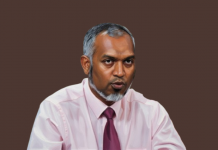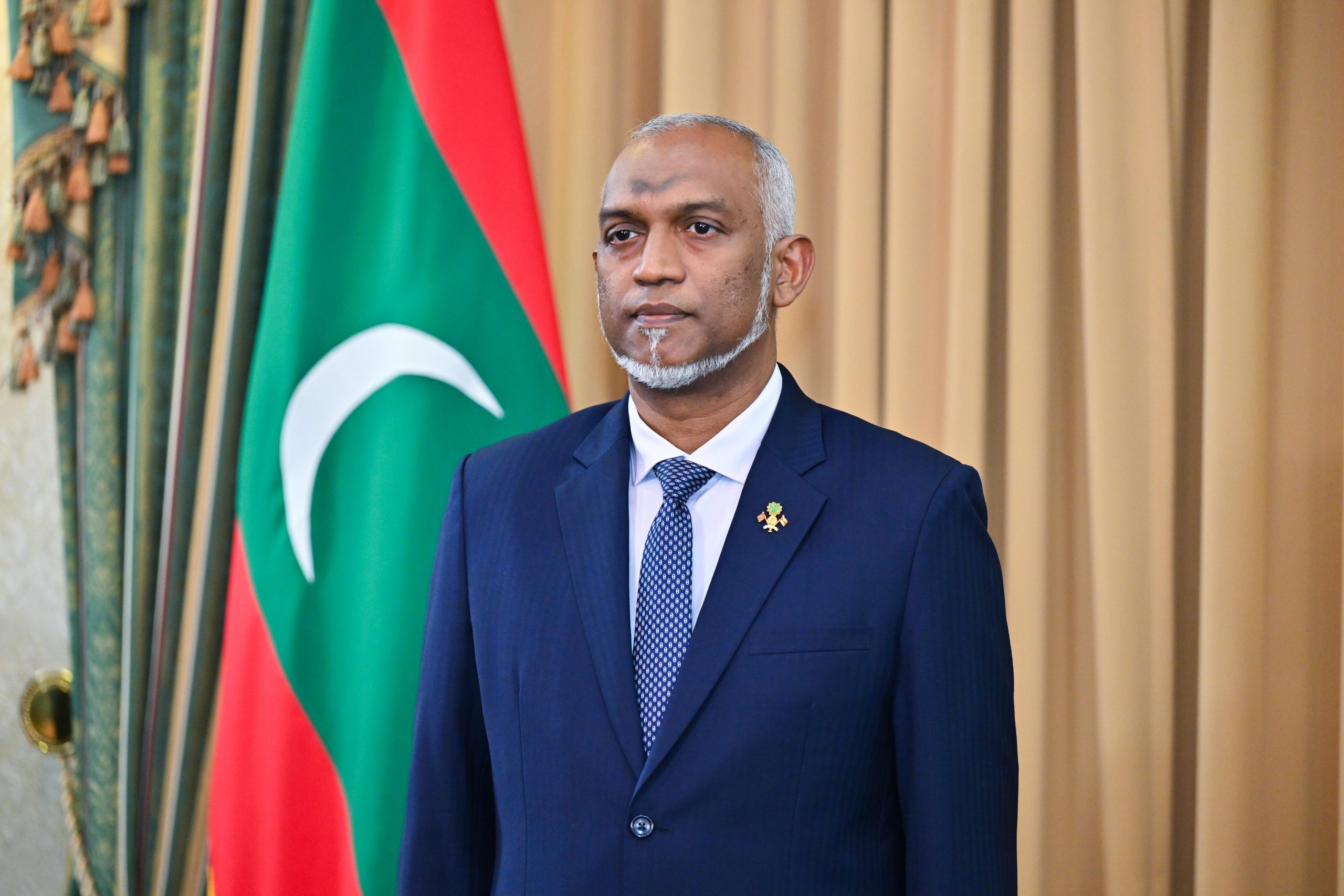
President Dr. Mohamed Muizzu announced a major cabinet overhaul on April 14, 2026, cutting the number of ministries from 20 to 15 and accepting resignations from 10 ministers nearly half the cabinet. The government described the move as a step to increase efficiency, but many see it as a sign of weakness following the ruling People’s National Congress (PNC)’s poor performance in the April 4 local council elections and constitutional referendum. Rather than a fresh start, this reshuffle appears to be political damage control after two-and-a-half years of broken promises, rising debt, and growing public discontent.
Voters sent a clear message on April 4. They overwhelmingly voted “No” to the government’s proposal for simultaneous elections. The opposition Maldivian Democratic Party (MDP) won the majority of local council seats and took all five city mayor positions. Many analysts describe the results as a strong mid-term rebuke of President Muizzu’s government. Instead of introducing real policy changes, the President chose to reshuffle his ministers. This move highlights an unstable administration that is struggling to deliver results.
Economic Challenges and Heavy Debt
The economy remains the biggest concern. President Muizzu came to power promising rapid development and less dependence on India. However, public debt has risen to between 110% and 122% of GDP, with heavy borrowing from China. Many families are still struggling with high living costs, while tourism recovery remains uneven.Key promises, such as cheaper imports from Turkey and better healthcare supplies from Europe, have not been fully met. The “India Out” campaign is widely blamed for damaging the important Indian tourist market, causing significant revenue losses.
Media Freedom and Nepotism
The government has also come under fire for the controversial Media and Broadcasting Regulation Law passed in 2025, which many describe as an attack on free speech. Former President Ibrahim Mohamed Solih and journalists have strongly criticized the law for giving the government greater control over media and online content. There are also ongoing allegations of nepotism,favouritism, and corruption in appointments, further eroding public trust.
Will It Make a Difference?
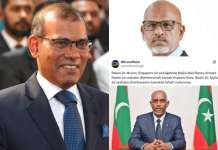
While merging some ministries may look good on paper, these changes are unlikely to solve the deeper problems of high debt, economic hardship, and weakening democratic space. Opposition leaders, including Mohamed Nasheed, have called for more serious reforms. Many Maldivians are tired of excuses and want concrete solutions on jobs, cost of living, and good governance.
The big question now is whether this reshuffle will lead to real improvements or simply mark another chapter in a struggling administration.