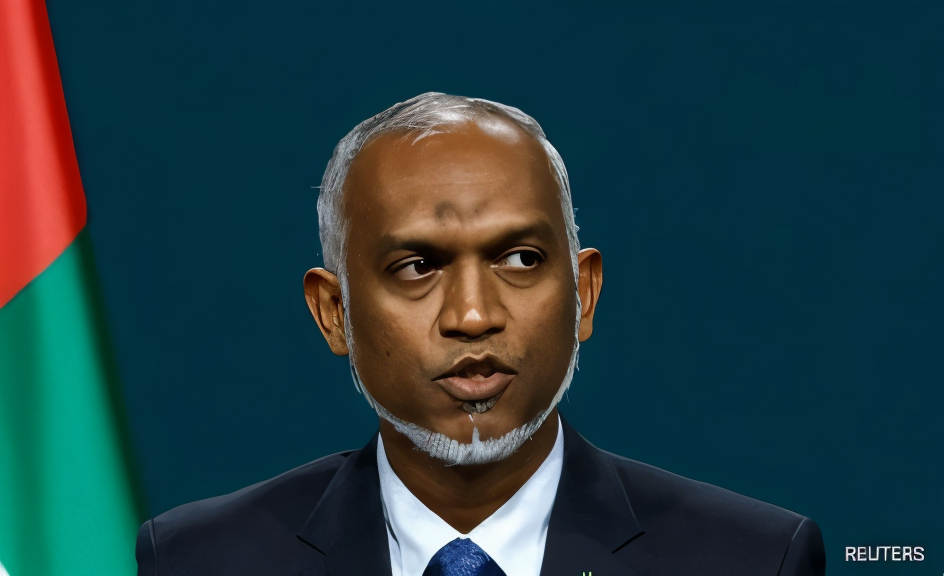
Voters delivered a clear message to President Dr. Mohamed Muizzu and his ruling People’s National Congress (PNC). In a historic triple election day local council polls, Women’s Development Committee (WDC) elections, and a constitutional referendum — the government suffered significant setbacks.
Preliminary results showed voters rejecting the government-backed Eighth Amendment by a decisive margin of approximately 68.5% to 31.5% (“No” vs “Yes”). At the same time, the opposition Maldivian Democratic Party (MDP) achieved a clean sweep of all five city mayor positions — Male’, Addu City, Fuvahmulah, Thinadhoo, and Kulhudhuffushi with incumbent MDP mayors securing re-election. While the PNC still secured a slight edge in overall council seats nationwide (roughly 220–252 seats compared to MDP’s 207–221, depending on final tallies), the loss of every major city mayoral race and the heavy referendum defeat marked a symbolic and political blow for the ruling party.
What Was the Referendum About?
The proposed constitutional change sought to align future presidential and parliamentary elections on the same day, starting in 2028, and shorten the current People’s Majlis term by about five to six months. The government argued this would save around $8 million in election costs and bring greater efficiency.Opposition parties and many voters viewed the move differently — as a self-serving attempt to consolidate power and reduce opportunities for public accountability between national polls. For the first time, Maldivians were directly asked to vote on a constitutional amendment of this nature, turning the referendum into what many analysts described as a de facto vote of confidence in the Muizzu administration.
Why Did Voters Say “No”? Several factors appear to have driven the outcome:
- Distrust in Motives
Many saw the amendment not as neutral reform but as a shortcut that could favor the ruling party. Past constitutional changes were handled quietly in parliament; bringing this directly to the people invited scrutiny and backlash. - Rejection of Patronage Politics
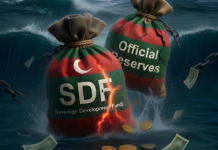
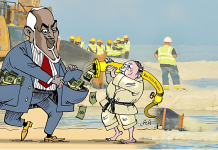
Reports and public commentary highlighted heavy use of state resources during the campaign period — including job offers in state-owned enterprises, financial incentives, and project announcements. Voters, particularly in urban areas, appeared to signal that vote-buying, cash handouts, and unnecessary public sector jobs no longer guarantee success. This mirrors a broader maturing of Maldivian democracy, where core governance issues matter more than short-term inducements. - Focus on Local Issues
Local council elections are decided on practical matters: island services, housing, flooding, waste management, and cost of living. The MDP’s strong performance in cities suggests dissatisfaction with day-to-day delivery under the current administration, despite the PNC’s parliamentary supermajority won in 2024. - Classic Mid-Term Correction
Since the restoration of multi-party democracy in 2008, no sitting Maldivian president has secured re-election. Voters have repeatedly used mid-term polls as a check on executive power. This result fits that historical pattern.
Voter turnout reached a record 73% — the highest ever for local elections — indicating strong public engagement rather than apathy.President Muizzu’s ResponseIn a mature and democratic gesture, President Muizzu quickly accepted the results. He congratulated the winners, including MDP mayors, and stated that his government would “respect the public will” and work to address the concerns raised by voters. This graceful concession helped calm immediate tensions and earned praise across party lines. What This Means for Maldivian Politics
This is not a total collapse for the PNC, which remains in control of the presidency and parliament until 2028–2029. However, the losses in urban centers (home to over half the population) and the referendum defeat serve as a wake-up call.The clearest lesson emerging from April 4 is one that applies to every political party — PNC, MDP, and others alike:Vote-buying, cash handouts, and creating unnecessary government jobs no longer guarantee victory. Voters are rejecting these tactics.Unless parties seriously tackle the real issues — corruption, unnecessary or wasteful spending, and nepotism — they risk continued rejection at the ballot box.
Maldivians want competent local governance and respect for constitutional norms, not short-term patronage. In a young democracy like the Maldives, such mid-term corrections are healthy. They keep leaders accountable and force parties to focus on substance over spectacle. How the ruling PNC responds by listening, reforming, and delivering tangible results will shape its chances heading into 2028.