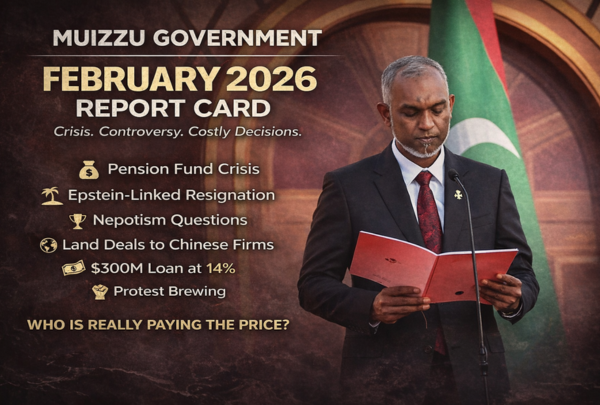
February 2026 exposed a government increasingly out of touch with citizens’ priorities. From financial controversies to political favoritism and questionable foreign deals, the month painted a worrying picture of the Muizzu administration.
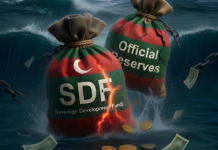
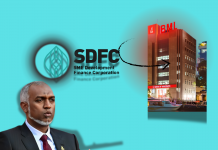
- The crisis began with the pension fund. Dr. Ahmed Inaz (Chair), Sujatha Haleem (CEO), and Ahmed Saruvash (Board Member) resigned over the government’s plan to invest MVR 2.4 billion of pension money in government bonds. Their refusal to risk citizens’ savings to cover state debt sent a clear signal: even top officials doubt the administration’s financial decisions.
- Meanwhile, another scandal rocked the political scene. Former President Mohamed Waheed resigned after emails revealed he pitched a $25 million private island investment to convicted sex offender Jeffrey Epstein. Social media erupted in outrage, yet the government remained silent, leaving questions of accountability unanswered.
- Nepotism also made headlines. Umyr Mohamed Muizzu, the president’s son, received the Young Sportsman of the Year 2025 award. Whether it was truly merit-based or simply the result of family influence.
- Foreign deals continued to raise eyebrows. The Housing Development Corporation sold prime land to China’s Wanlin Holding Pvt Ltd, adding to last December’s sale of 1.3 million sq. ft. in front of Channel Park to another Chinese firm. Critics warned that such repeated handovers of national assets threaten sovereignty and transparency.
- Financial stability remained fragile. The government announced plans to borrow USD 300 million at a staggering 14% interest from Cargill Financial Services International to cover debts due in April. With the debt-to-GDP ratio already above 100%, such borrowing only deepens Maldives’ economic vulnerability.
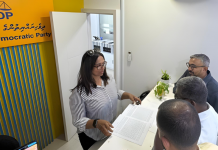
- Public dissatisfaction grew. The Maldivian Democratic Party (MDP) announced a large protest for March 21 against the referendum on synchronized presidential and parliamentary elections. While the ruling PNC claims it is “cost-cutting,” millions continue to be spent on political jobs and foreign trips, fueling citizen frustration.
- Taxpayer money continued to be misused. The Muizzu government spends MVR 54 million every month on diplomatic missions abroad, while 82 political appointees cost an additional MVR 1.85 million monthly. At a time of severe economic challenges, such spending is not just excessive—it is unjustifiable.
By the end of February, the Muizzu administration appeared disconnected from reality. Mismanaged finances, ethical lapses, nepotism, and disregard for public trust dominated the headlines. Citizens are left questioning when their government will prioritize the people over politics and foreign interests.