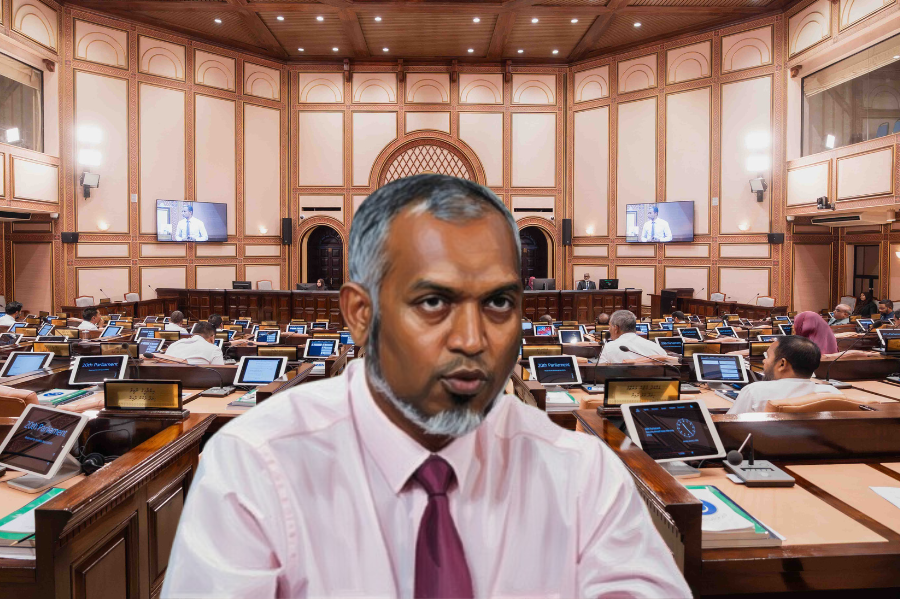
The government’s proposal to merge presidential and parliamentary elections is being sold as a simple reform to save costs and improve efficiency. But behind this neat explanation lies a dangerous move that threatens democratic checks and balances.
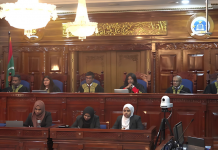
In any democracy, parliament exists to oversee the government. It is meant to question decisions, block abuse of power, and hold the president accountable. By pushing to elect the president and parliament at the same time, the ruling party is trying to weaken that role.
When parliamentary elections are held months after a presidential election, voters get a second chance to speak. They can judge how the president has performed in the early months and decide whether to give the government more power or apply the brakes. This is not a flaw in the system — it is a safeguard.
Merging the two elections removes that safeguard.
The ruling party knows that presidential elections are driven by personality, emotion, and slogans. Parliamentary elections, held later, are more grounded. They reflect public anger, disappointment, and broken promises. By combining both elections, the government ensures that the president’s election campaign momentum carries ruling-party MPs into parliament, regardless of how the government later performs.
The proposal also cuts six months from the current parliament’s term. This alone should alarm every voter. If a government can shorten an elected body’s mandate today, what stops it from doing the same tomorrow? Democracy does not work on convenience.
The cost-saving argument does not hold up. Elections cost money, but accountability is priceless. Weakening oversight to save funds is a poor excuse for concentrating power.
This move comes at a time when public frustration is growing — over the economy, rising debt, broken promises, and governance failures. Rather than face voters in a separate parliamentary election, the ruling party appears determined to lock in power early.
This is not reform. It is political engineering.
If passed, the Maldives risks ending up with a rubber-stamp parliament — one elected not to question the president, but to protect him. That is not how democracy survives. That is how it quietly erodes.