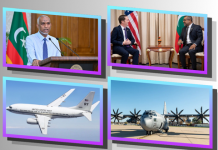
The Muizzu government wants Maldivians to focus on one headline: the USD 500 million sukuk, plus around USD 25 million in profit, has been fully repaid. Officials point to record gross international reserves in early 2026 and present this repayment as proof of stronger fiscal management and liquidity.
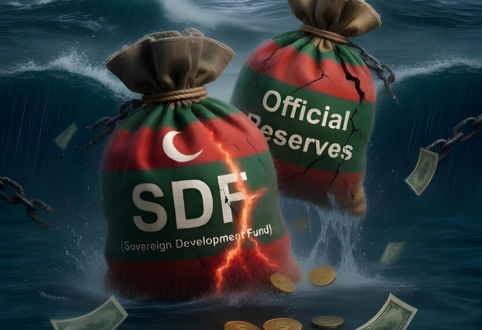
At first glance, avoiding default on the Maldives’ largest international Islamic bond may appear to be a significant achievement. But the reality is far more concerning. This repayment was not earned through economic growth or prudent fiscal management. Instead, it relied heavily on drawing down the Sovereign Development Fund (SDF)—money meant for long-term development and protection against shocks—alongside other foreign currency reserves. Reports also indicate that the government explored high-cost borrowing options before the sukuk matured.
With local council elections held on April 4, 2026, the celebration of this “success” raises a pointed question: is this a genuine economic milestone, or primarily a political message designed to project strength?
How the Sukuk Was Paid
Government statements confirm the sukuk was repaid mainly using:
- Sovereign Development Fund (SDF) – built from tourism-related revenues and other sources.
- Foreign currency reserves – reportedly over USD 1.2–1.27 billion at points in early 2026.
President Muizzu had previously stated that more than USD 650 million was allocated for this purpose, with over USD 320 million in the SDF and over USD 330 million in usable reserves.
However, independent reporting shows that additional financing options were explored before repayment, including:
- A potential USD 300 million high-interest loan via Cargill Financial Services International.
- A USD 100 million facility from the Abu Dhabi Fund for Development (ADFD).
While the final repayment reportedly avoided new commercial borrowing, the heavy reliance on development funds and reserves raises serious questions about sustainability. Simply put, the Maldives did not repay this debt from genuine surpluses or broad economic growth—it used national savings and buffers intended to safeguard the country’s future.
The Real Cost to Ordinary Maldivians
The consequences of this repayment will be felt across the economy:
- Worsening foreign currency shortages – businesses will struggle to import essential goods.
- Pressure on the rufiyaa – raising costs of living for families.
- Higher future debt servicing – any high-cost loans add strain to upcoming budgets.
- Depleted safety nets – thinner reserves reduce the country’s ability to cope with tourism downturns, climate events, or other shocks.
These are not hypothetical risks. Many Maldivians are already feeling the pinch of dollar scarcity and rising prices in daily life.
Political Messaging vs Economic Reality
The government frames the sukuk repayment as an economic victory. But paying off debt by draining critical reserves and taking on expensive obligations is fragility disguised as strength.
The timing shortly after the April 4 local elections—suggests this narrative was at least partly aimed at managing public perception rather than addressing long-term fiscal challenges. Key issues remain unaddressed: high public debt, heavy reliance on tourism, limited revenue diversification, and persistent exposure to external shocks.
Avoiding default was important—it preserves credibility with international investors. But the method matters more than the headline. By depleting reserves and navigating complex financing, the government has shifted immediate burdens onto citizens and future budgets:
- Businesses scrambling for dollars.
- Families facing rising costs.
- A nation operating with thinner protection against the next crisis.
The sukuk has been paid. But ordinary Maldivians will pay the true price in the coming months and years through reduced resilience, ongoing liquidity pressures, and economic strain.
This episode is a cautionary tale: true economic strength is built on sustainable buffers, diversified revenue, and genuine stability for citizens—not short-term victories timed for political optics.
Maldivians deserve transparency: a clear breakdown of financing, a credible plan to rebuild drawn-down reserves, and policies that ensure economic security for the future. The question remains: is the government managing the economy—or just managing its image?